Your Cart is Empty



Tea & Health, Explained
examining the science behind tea's health benefits, including its antioxidants and effects on brain health and oxidative stress.

We’re often asked why we don’t sell our matcha in large “bulk” formats. The short answer: we already do. At 80 grams, our tins hold around 40 servings (assuming a standard 2g dose). That’s plenty for most cafés and at-home matcha drinkers—and importantly, it’s the right size to preserve freshness.
Matcha is more delicate than other teas. It's a fine powder, not a whole leaf. That means it’s more exposed to light, heat, and oxygen, and its quality degrades quickly once opened. Think about how specialty coffee is handled: baristas don't grind 2 lbs of beans all at once and expect peake flavor two days later.
This article breaks down why we stick to 80g tins, how they help preserve your matcha, and what to consider when storing it, whether you're at home or behind bar.
Once you open a large bag of matcha—say, a kilo or more—it’s a race against time. With every scoop, you expose the remaining powder to air and light. That means color fades, flavor dulls, and the antioxidants you’re after begin to break down.
Matcha, like ground coffee, is sensitive. Bigger bags might seem economical, but unless you’re going through them fast enough (think high-volume production), you’ll lose more than you save.
In our tests, it’s best to go through an open container of matcha no slower than once every two days. Going through a tin (or more!) a day is ideal.
We hear concerns from cafés about waste and going through a lot of tins. But let’s put it in context: each of our tins is smaller than a soda can—and yields 40 to 50 drinks. That’s a single soda-can worth of waste for dozens of servings. We think that’s a fair trade for keeping your matcha tasting great all the way through.

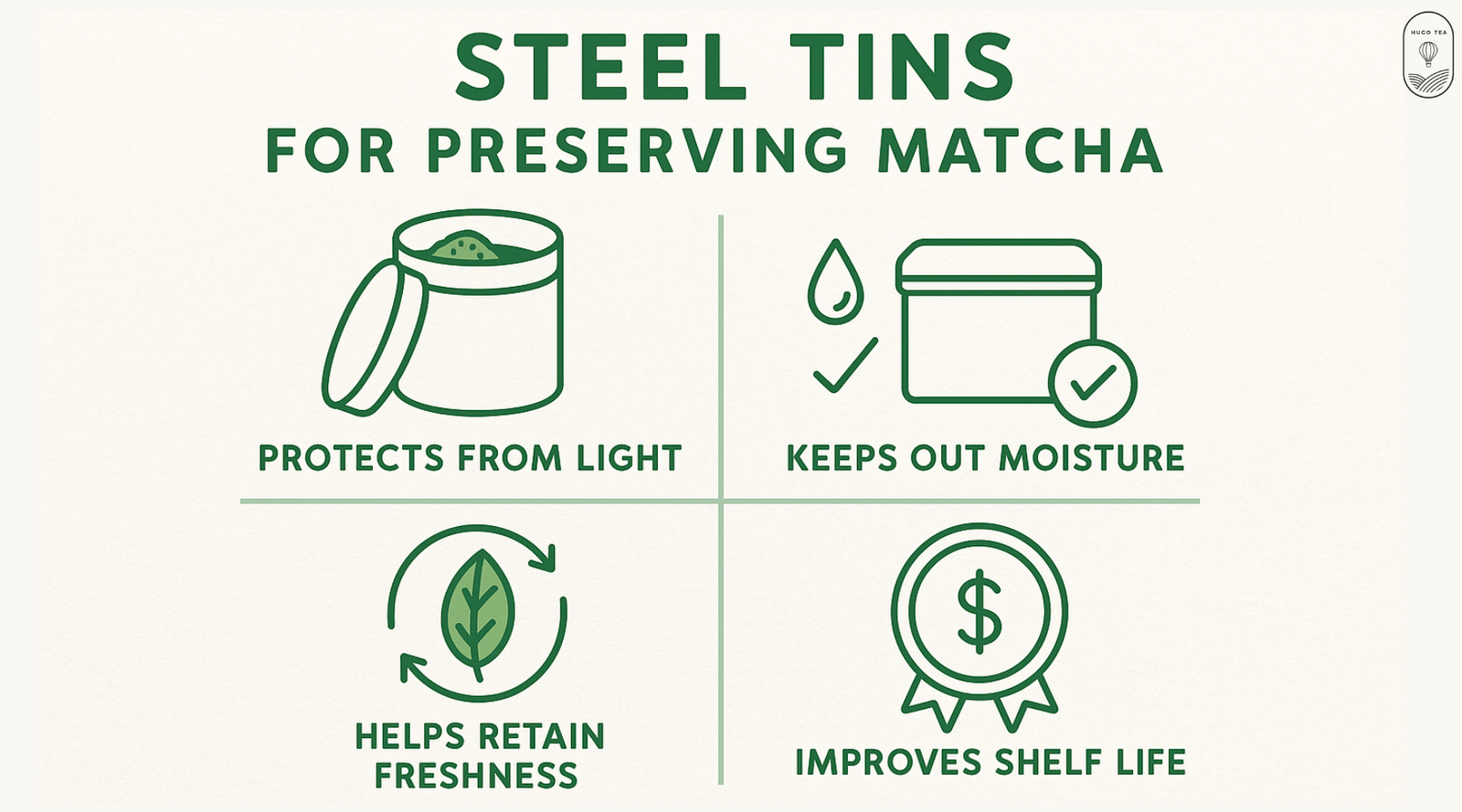
Our tins are steel, airtight, and recyclable—designed specifically to protect ceremonial-grade matcha from oxygen, light, and moisture. They’re easy to reseal, stackable, and barista-friendly. Even if you're pouring from a large bag into an airtight container, the matcha is still exposed to excess oxygen—and likely light and heat—every time you open it. Our 80g tins are designed to eliminate that step. Just scoop directly from the tin and reseal. No transfer, no added exposure.
It depends. Refrigeration can help preserve matcha—but only under the right conditions.
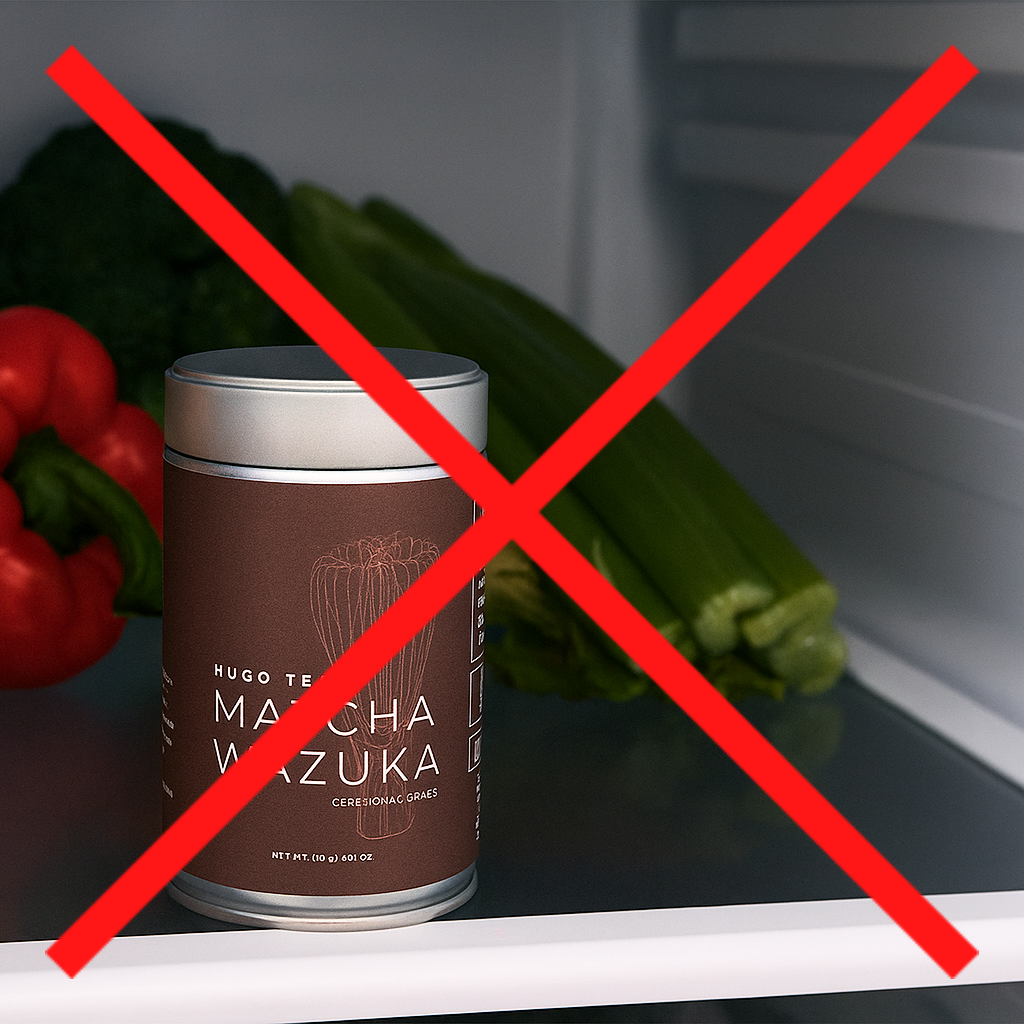
If either of the following applies to you:
If your environment is already cool and dry, you’re better off storing matcha in a pantry or cabinet away from heat and light.
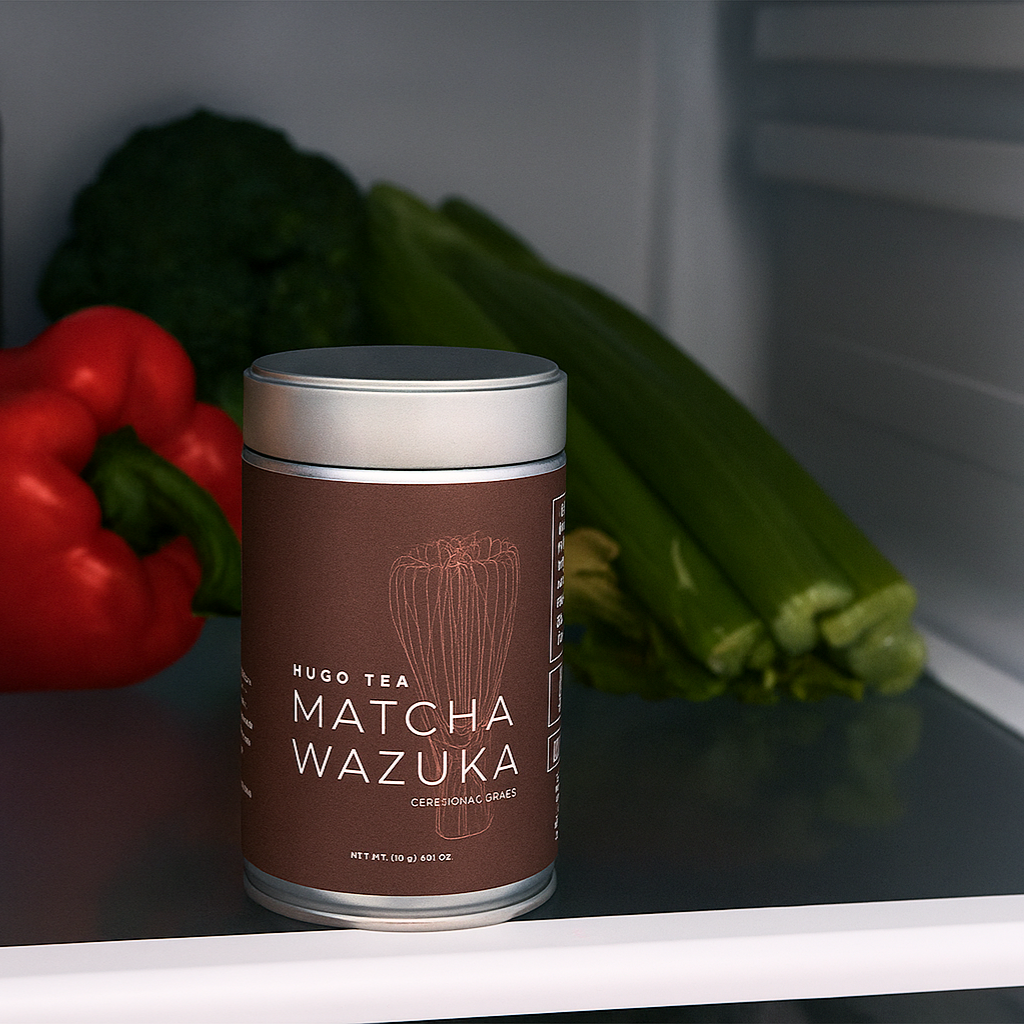
If the following apply to you:
Avoid moving it in and outof the fridge. That creates condensation and moisture that will spoil matcha.
Matcha is fragile. That’s why we pack it in 80g steel tins—to help preserve its color, aroma, flavor, and nutritional value from the first scoop to the last. Larger formats risk faster degradation. And yes, matcha is expensive—but it’s even more costly if you let it spoil.
So whether you’re whisking for yourself or serving hundreds behind bar, treat matcha with the same respect you give your best coffees.
Matcha is powdered green tea at its most refined—shade-grown leaves stone-milled into a vibrant powder for traditional whisked tea. Our ceremonial matcha powder is sourced directly from small farms in Wazuka, Kyoto; Higashisonogi, Nagasaki; and Anshun, Guizhou, where producers mill each lot in small batches to preserve freshness and clarity. The result is a collection defined by balance, umami, and the distinct character of each origin.
Previous Article
examining the science behind tea's health benefits, including its antioxidants and effects on brain health and oxidative stress.
Next Article
A useful but misleading term.
