Your Cart is Empty


Exploring Tea Types: Green Tea
Learn about how heat fixing preserves green tea’s vibrant color and fresh flavor, making it one of the world’s most historic and widely enjoyed tea types.

“Fresh tea” is often presented as a universal sign of quality. The assumption is simple: the newer the tea, the better it must be. In practice, the idea is more complicated. Freshness in tea depends on what kind of tea it is, how it was processed, and what flavor profile the producer intended. Some teas are best when consumed soon after harvest. Others benefit from time. Treating freshness as a single standard misses how tea actually works.
Understanding tea freshness starts with recognizing that the word itself can mean several different things.
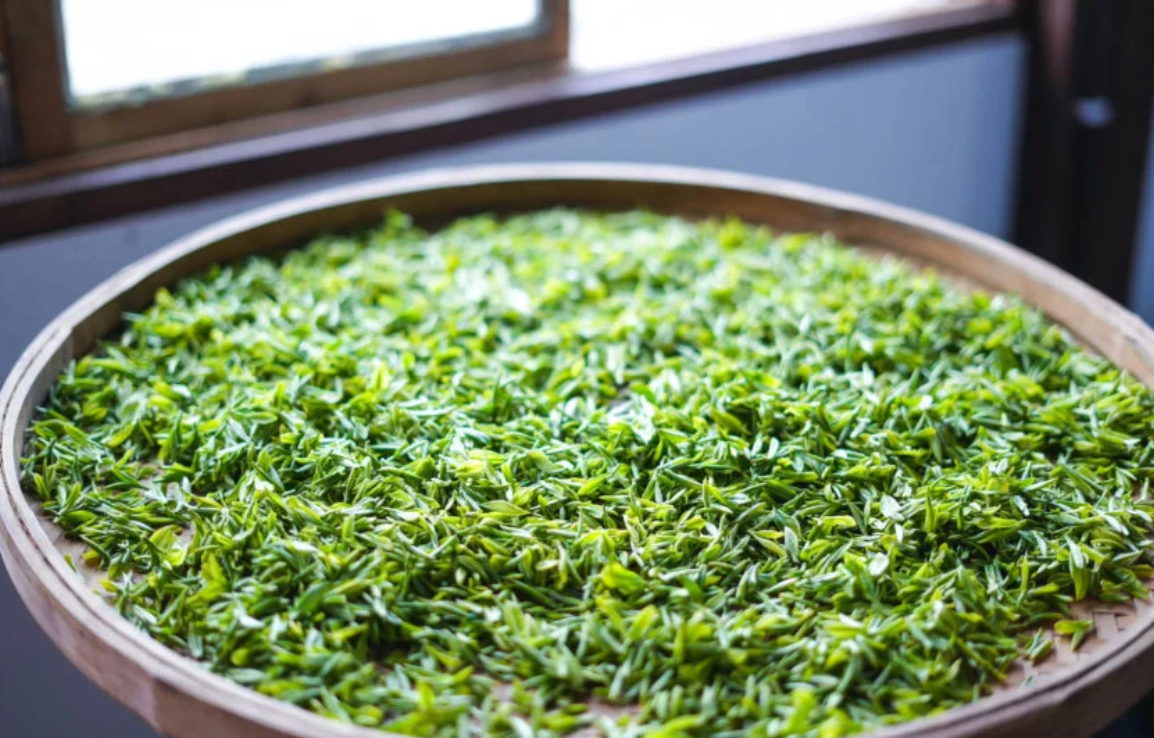
In tea marketing and casual conversation, “fresh” can refer to multiple timelines at once. Sometimes it means recently harvested. Sometimes it means recently packaged. Other times it simply means the tea still tastes lively. These are not the same conditions.
Tea is also not a single product category. A lightly processed spring green tea behaves differently over time than a roasted oolong or an aged pu’er. Each responds to time, oxygen, and storage in its own way. Applying one freshness rule across all teas creates confusion.
Another issue is that packaging dates are often mistaken for harvest dates. A tea sealed last month may have been harvested a year earlier. Conversely, a tea harvested recently but stored poorly may already show flavor loss.
Because of these differences, freshness in tea cannot be reduced to a simple label. It only becomes meaningful when tied to harvest timing, processing style, and storage conditions.
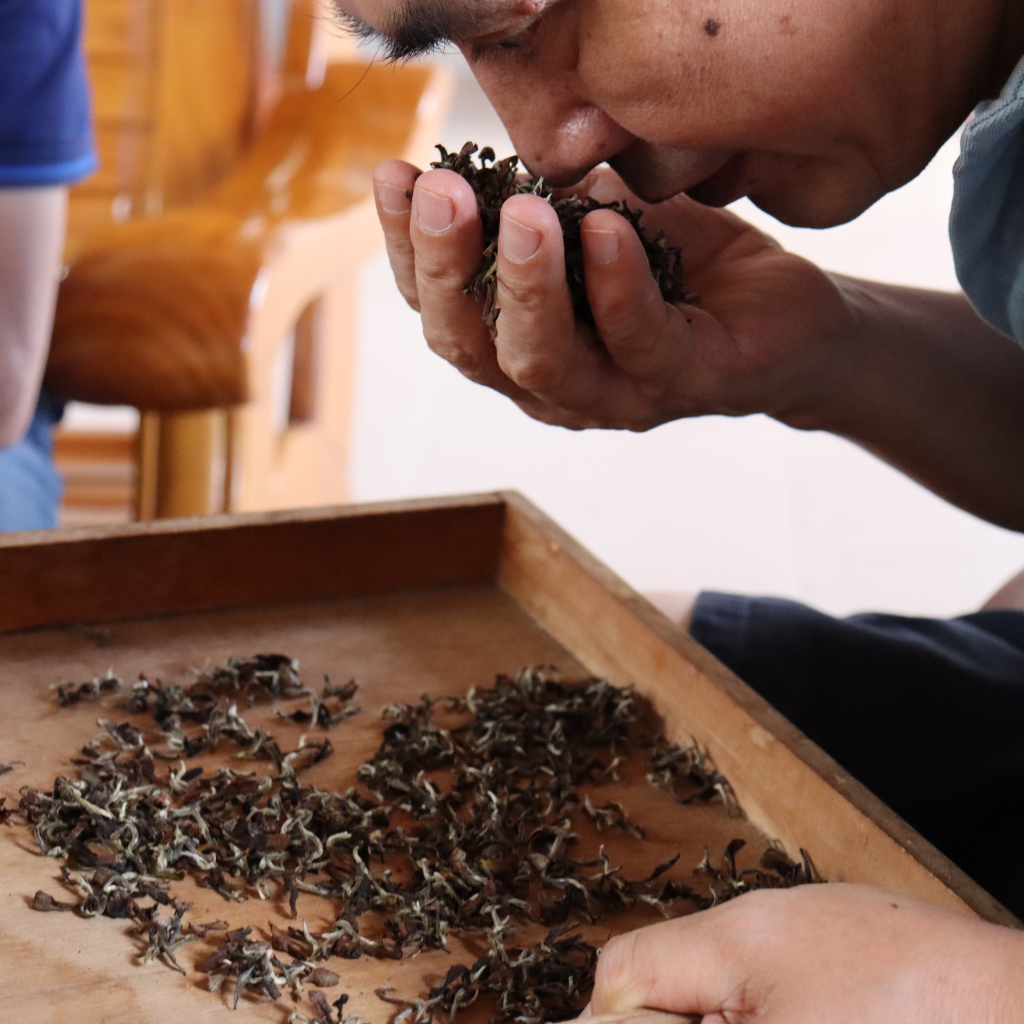
When producers talk about freshness in tea, they are usually referring to how closely a tea’s current flavor matches the characteristics it was meant to express. That outcome depends on several variables working together.
The most important variables include:
Freshness matters most when a tea’s character relies on delicate aromatic compounds. These compounds are volatile and can fade with exposure to oxygen, light, or heat.
Harvest timing matters, but it does not operate alone. A tea picked recently will not necessarily taste vibrant if it was stored poorly or processed in a way that accelerates flavor loss.
Many teas also move through multiple stages between harvest and sale. Leaves are picked, processed, sorted, transported, and packaged. The timeline from field to cup may span months. Freshness depends on how well those stages protect the tea’s intended profile.
Processing style plays a central role in how tea interacts with time.
Oxidation is one of the main variables. Oxidation refers to a chemical reaction between tea compounds and oxygen that alters flavor, aroma, and color. Green teas are intentionally protected from oxidation, preserving lighter vegetal aromas. Black teas undergo full oxidation, creating darker and more stable flavor structures.
Roasting, compression, and fermentation introduce additional changes. These steps can stabilize certain teas or make them evolve more slowly over time. Because of this, the question of freshness always returns to processing.
Some teas are particularly sensitive to time. Their flavor profiles depend on fragile aromatic compounds that fade gradually during storage.
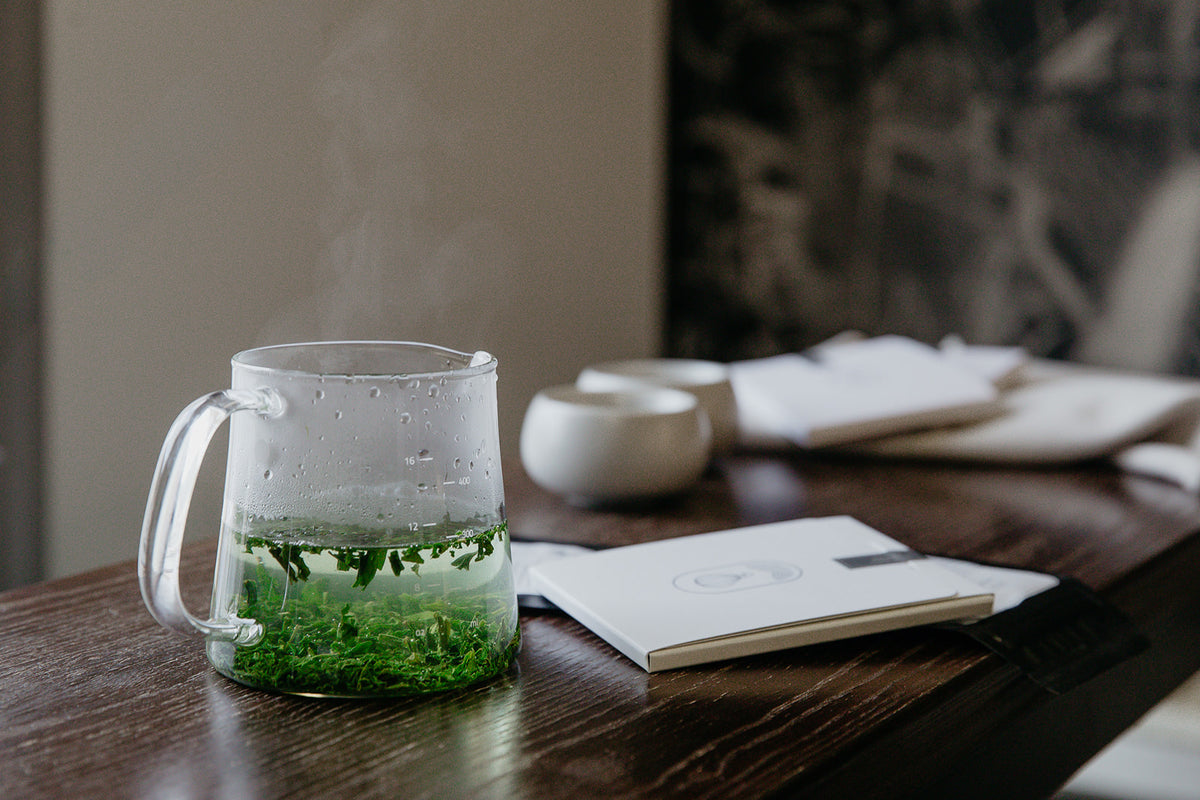
Green tea is the clearest example. Its low oxidation preserves grassy, floral, and sweet notes that are easily muted if the tea sits too long or is stored improperly. Over time, these teas may taste flatter or slightly dull.
Matcha is even more sensitive. Because it is a powdered tea, the leaf surface area is fully exposed once milled. That exposure makes the flavor profile more vulnerable to oxygen and light. Producers often package matcha in airtight containers to slow this process.
When freshness declines in these teas, the change is usually subtle but noticeable. Aromatics soften, color may shift, and the cup loses some of its clarity.
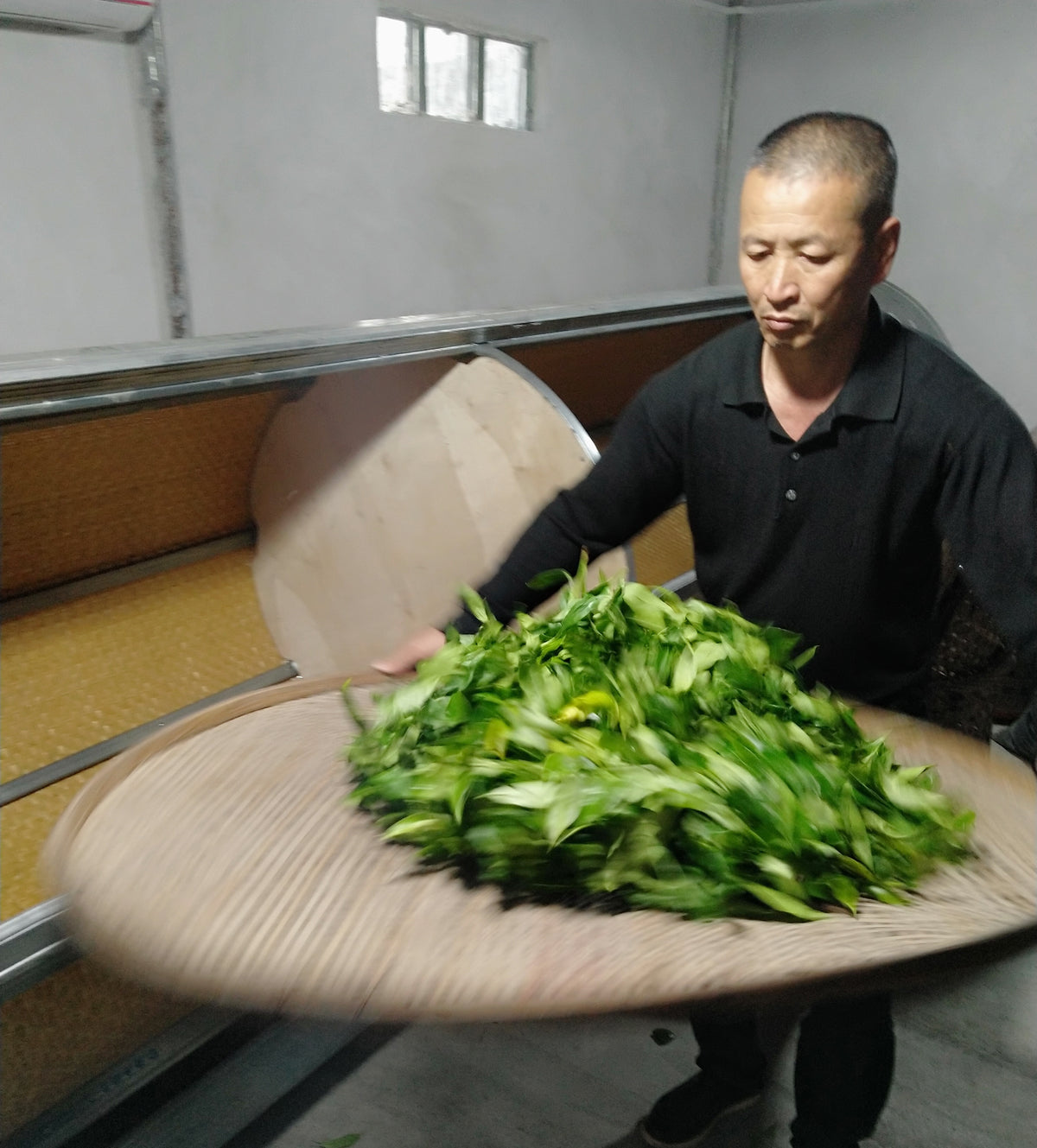
Other minimally processed teas can also show noticeable changes with time. Their lighter oxidation levels preserve aromatic compounds that are more fragile than those found in darker teas.
This does not mean they must be consumed immediately. It simply means their peak flavor window tends to be shorter than that of more heavily processed teas.
Not every tea is meant to highlight the brightness of youth. In some cases, time actually improves balance.
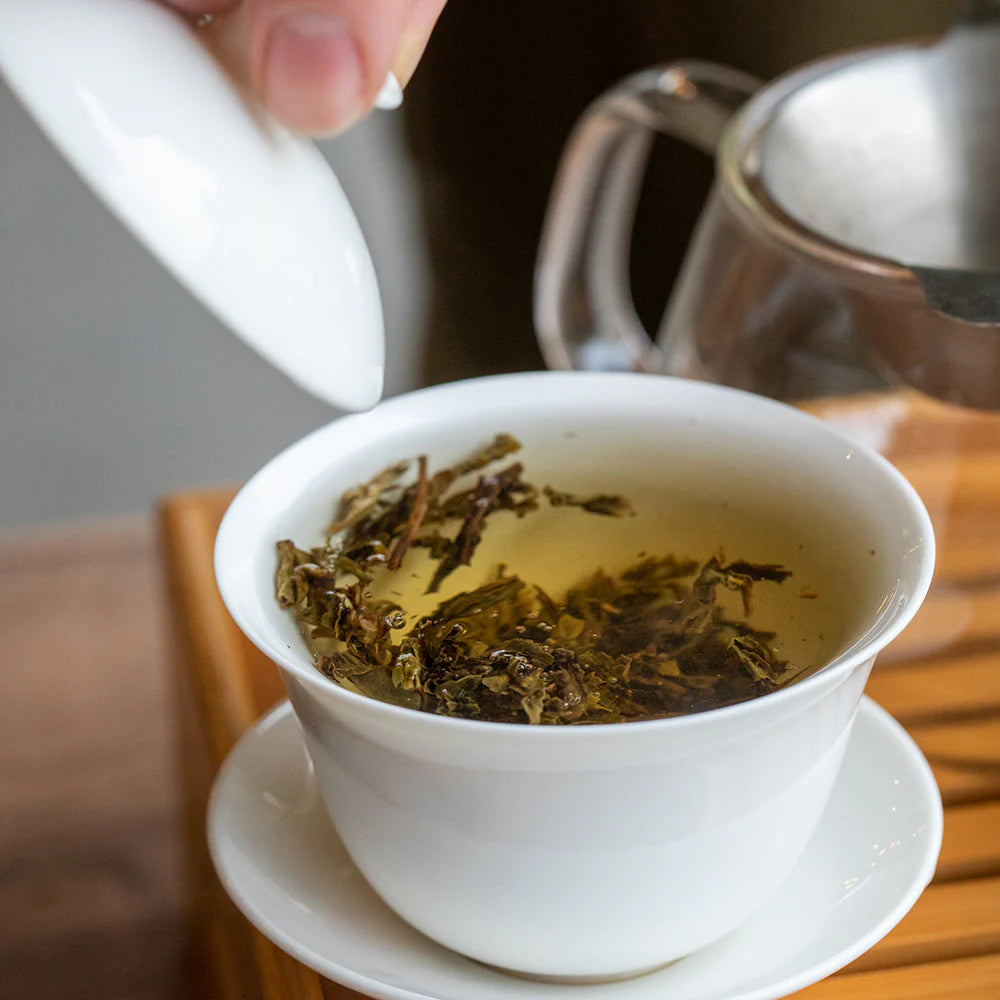
Pu’er offers a clearer example of tea that can evolve positively with age. During storage, microbial activity and slow chemical changes reshape the flavor profile. Over time, the tea may develop deeper, earthier notes.
This aging process is intentional. It differs from simple staleness, which occurs when delicate aromatics fade without producing new complexity.
The distinction matters. A tea losing freshness unintentionally is different from a tea developing character through controlled aging.
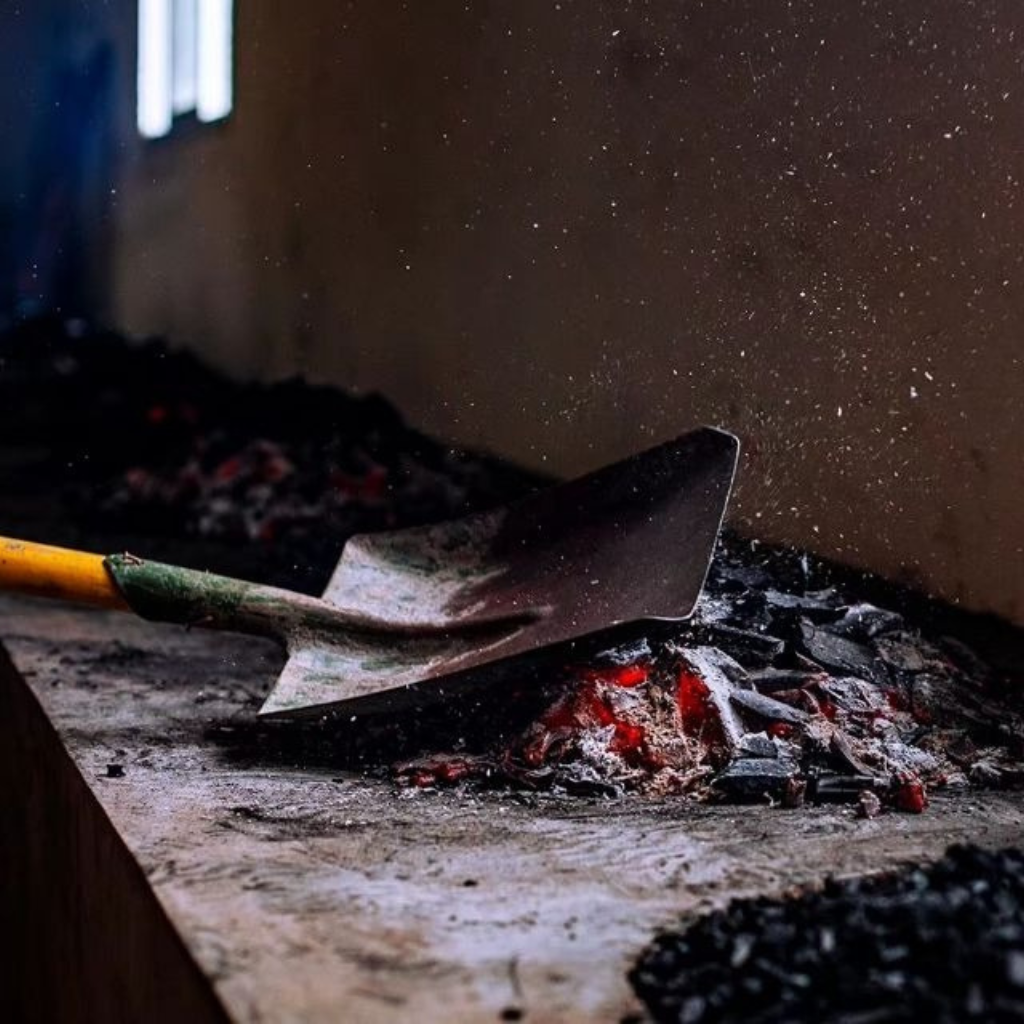
Certain roasted teas can taste slightly disjointed right after processing. The roasting stage introduces intense aromatic compounds that may settle and integrate over time. Allowing the tea to rest can produce a smoother cup with more cohesive flavor.
The word “fresh” is often used in tea marketing without enough context to be meaningful.
One common confusion is between harvest date and packaging date. A tea sealed recently may still come from an older harvest. Packaging protects tea during storage, but it does not reset the timeline of when the leaves were picked.
Another issue is the assumption that freshness always equals quality. In reality, the ideal drinking window depends on the tea’s intended style. A roasted oolong or aged pu’er is not judged by the same freshness criteria as a spring green tea.
Marketing language can also blur the difference between shelf stability and peak flavor. Most teas remain safe to drink for a long time when stored properly. That does not mean they are still expressing their best character.
For buyers, the more useful question is not simply “Is this tea fresh?” but “Fresh relative to what kind of tea it is meant to be?”
Instead of focusing on the word “fresh,” it helps to look at a few practical indicators.
Questions worth asking include:
Freshness plays a major role in green tea and matcha, where delicate aromatics and, in the case of matcha, increased surface area make the flavor more sensitive to time. In oolong, freshness is more variable and depends on the level of oxidation and roasting. Black tea is generally more stable, so freshness is a moderate factor rather than a defining one. Pu’er is different altogether, as aging can be an intentional part of how the tea develops over time.
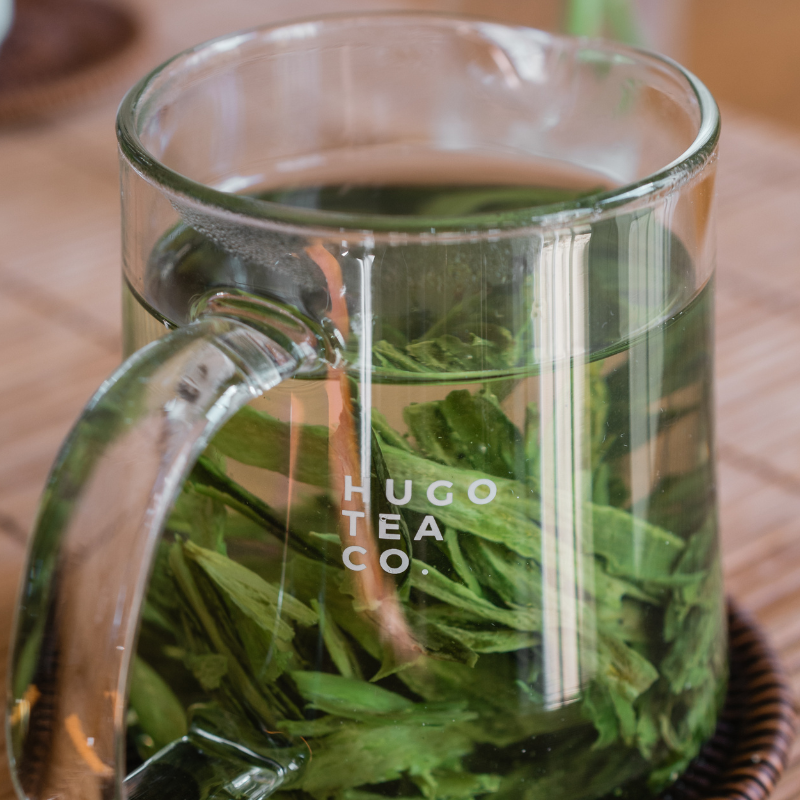
Freshness in tea is not a universal measure of quality. It is a variable shaped by processing, storage, and the flavor profile the tea was meant to express.
For delicate teas like green tea or matcha, timing can play a major role in preserving aromatic clarity. For roasted or aged teas, time may contribute to balance or complexity instead.
A clearer approach is to think about tea in terms of intended character rather than a single freshness standard. When harvest timing, processing style, and storage conditions are understood together, the word “fresh” becomes more precise and far more useful.
Most tea does not expire in the way perishable foods do. When stored in a dry, sealed environment, tea can remain safe to drink for years. What changes first is flavor. Aromatic compounds slowly fade with exposure to oxygen, light, and heat. This gradual loss of aroma is often described as the tea going stale.
Teas that rely on delicate aromatics usually benefit most from freshness. Green tea and matcha are common examples because their processing preserves compounds that fade over time. Other lightly processed teas can also show noticeable flavor changes after extended storage.
Yes. Certain teas are intentionally aged. Pu’er is the most widely known example, where microbial activity and slow chemical changes can reshape the flavor profile over time. Some roasted teas may also benefit from resting after production as the roast integrates with the leaf.
Tea should be stored in an airtight container away from heat, light, moisture, and strong odors. These environmental factors accelerate flavor loss. Proper storage cannot stop time entirely, but it can slow the changes that affect aroma and taste.
Previous Article
Learn about how heat fixing preserves green tea’s vibrant color and fresh flavor, making it one of the world’s most historic and widely enjoyed tea types.
Next Article
Preserving the flavor and aroma of matcha with the right packaging.
