Your Cart is Empty


Exploring Tea Types: Green Tea
Learn about how heat fixing preserves green tea’s vibrant color and fresh flavor, making it one of the world’s most historic and widely enjoyed tea types.

Many drinkers assume bitterness comes down to one mistake: steeping tea too long. Brewing time does matter, but it does not explain everything. Some teas simply turn bitter faster than others because their chemistry, processing, and particle size cause certain compounds to extract more quickly. When that happens, the cup can shift from balanced to harsh in a short window. Understanding why this happens helps explain why the same brewing approach can work well for one tea but fail with another.
When people describe tea as bitter, they often mean several sensations at once. Two of the most common are bitterness and astringency, which are related but not identical.
In tea, these sensations frequently appear together, which is why they are often described with the same word. However, the distinction matters. A tea can feel drying without tasting sharply bitter, and a tea can taste bitter without creating strong astringency.
Several compounds contribute to these sensations. Catechins, a class of polyphenols common in green tea, are one example. Caffeine also contributes mild bitterness. As these compounds dissolve into water during brewing, they shape the structure of the cup.
The important point is that bitterness is not a defect on its own. It is one component of a tea’s flavor structure. The question is how quickly those compounds extract relative to other flavors.

All brewed tea is the result of extraction, the process where water dissolves soluble compounds from the leaf. Different compounds dissolve at different rates. Aromatic compounds and sugars often extract early. Bitter or astringent compounds tend to increase as extraction continues.
Some teas move through this extraction curve faster than others. When that happens, bitterness becomes noticeable earlier in the brewing process.
Several factors influence this rate:
When these variables combine in certain ways, the window between balanced extraction and excessive bitterness becomes narrow.
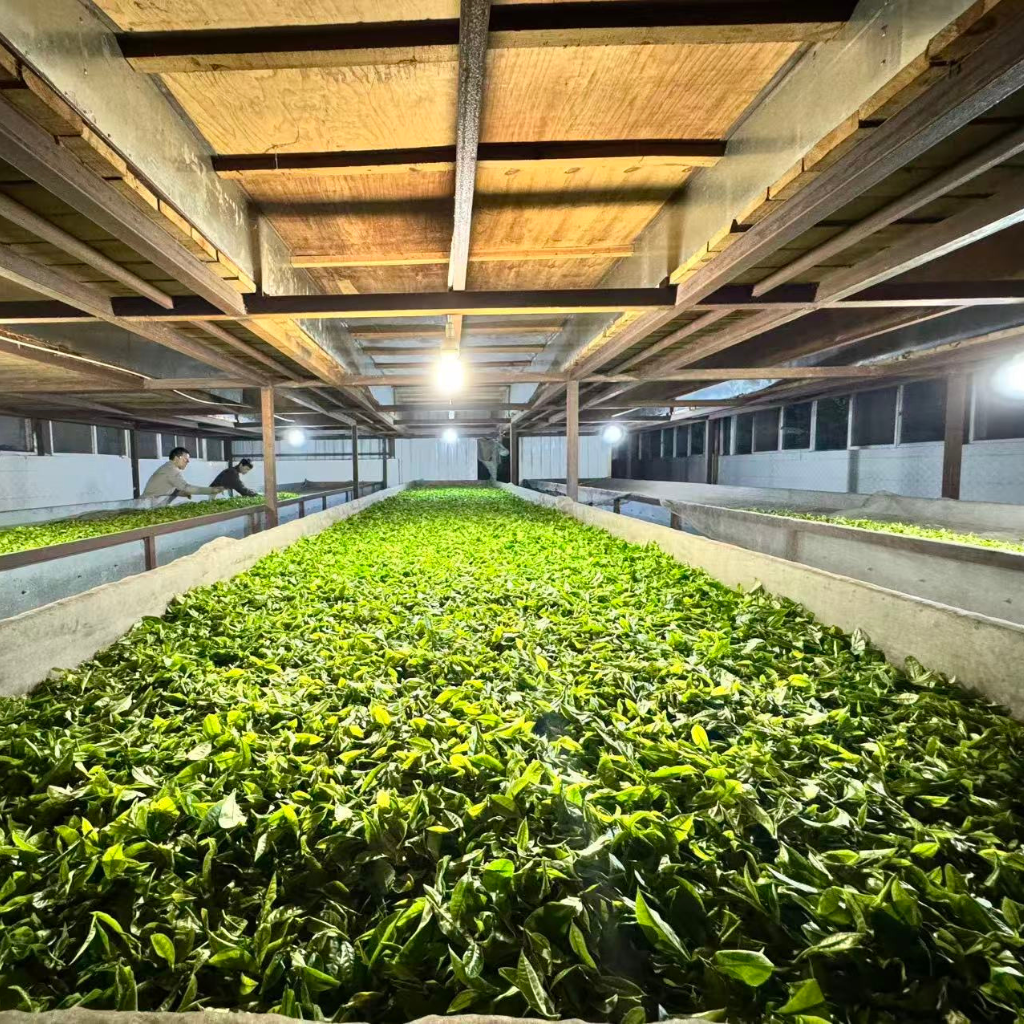
Leaf size has a measurable effect on extraction speed. Smaller particles expose more surface area to water, which allows compounds to dissolve faster.
Whole leaf teas extract gradually because water must penetrate the structure of the leaf before dissolving internal compounds. Broken leaf teas, fannings, and powdered tea expose more internal material immediately. This accelerates extraction.
The result is not inherently good or bad. Smaller particles can produce a full-bodied cup quickly, which is why they are common in certain formats. The tradeoff is that bitterness can appear faster if brewing conditions are not adjusted.

Brewing temperature and steep time are the two variables most people notice first.
Hotter water increases the rate at which compounds dissolve. Longer steep times allow extraction to continue further along the curve. Combined, these factors can amplify bitterness quickly in teas that already extract rapidly.
The effect is not uniform across all teas. Some remain balanced for longer periods. Others require more precise brewing conditions because their compounds dissolve more quickly.
The way a tea is processed changes its chemistry and structure. These changes influence how the leaf behaves when brewed.
Processing steps such as oxidation, rolling, steaming, firing, or grinding affect the distribution of compounds inside the leaf. They also influence how easily water penetrates the leaf during brewing.
Because of this, two teas made from the same plant species can behave very differently in the cup.
Green tea is frequently described as sensitive to brewing conditions. One reason is that its processing preserves high levels of certain polyphenols, including catechins.
These compounds contribute to both bitterness and astringency. When green tea is brewed with very hot water or steeped too long, those compounds extract rapidly and dominate the cup.
That does not mean green tea is inherently bitter. When brewed with appropriate temperature and timing, it can produce a balanced cup with minimal harshness. The margin for error is simply narrower than in some other tea styles.
Some teas tolerate longer brewing more easily because of their processing.
Oolong tea, for example, undergoes partial oxidation and repeated shaping during production. These steps change how compounds are distributed within the leaf and how they extract in water. The result is often a broader window before bitterness becomes dominant.
This does not make one tea better than another. It simply reflects differences in processing and extraction behavior.
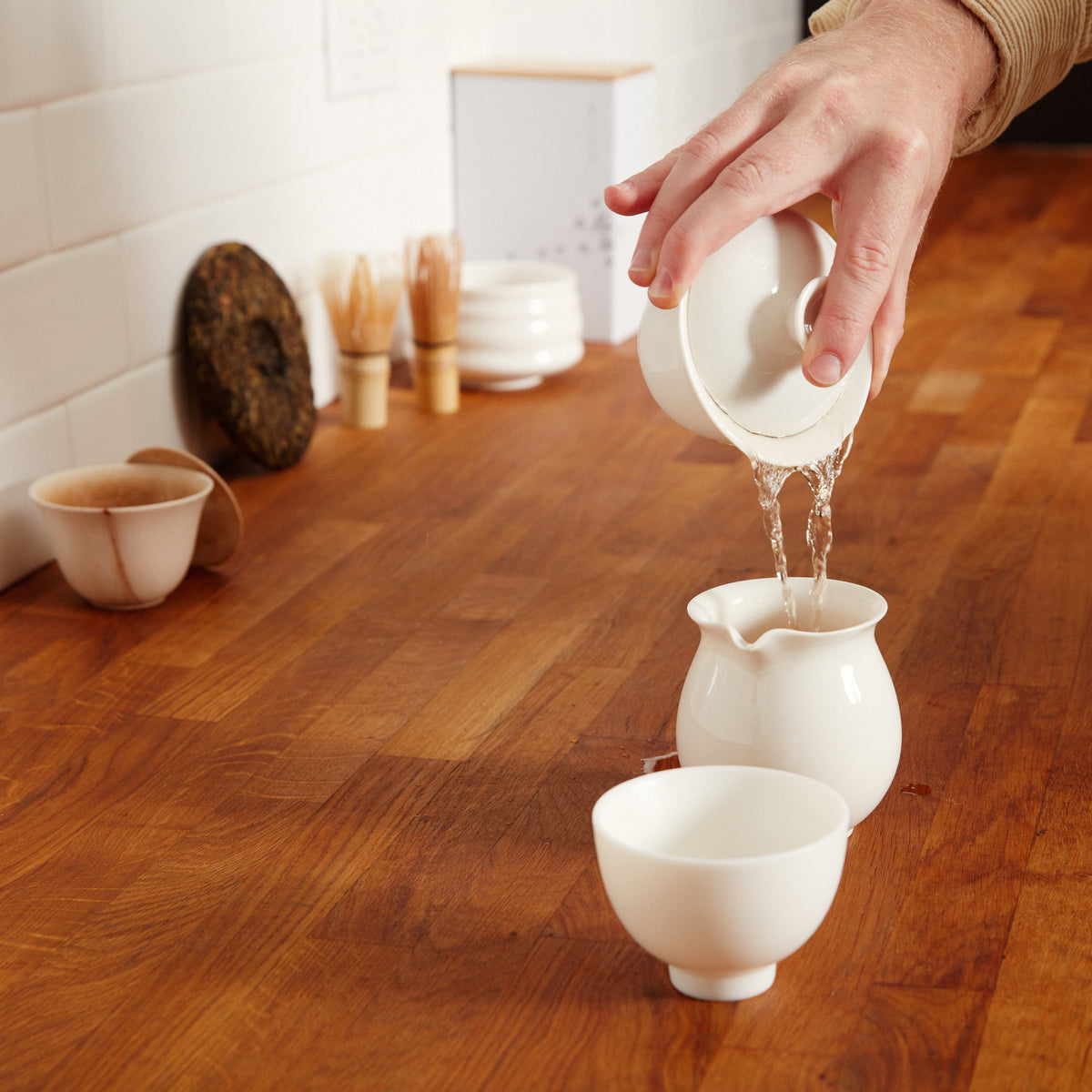
Most brewing advice focuses on universal rules. In practice, the more useful approach is to consider the specific tea in front of you.
Five variables consistently influence how quickly bitterness appears:
Temperature and time control how far extraction progresses. Leaf quantity determines how concentrated the extraction becomes. Particle size influences how quickly compounds dissolve. Processing determines which compounds are present and how they behave.
Adjusting these variables together produces more reliable results than relying on a single rule.
When a tea tastes bitter, the more useful question is not simply “what did I do wrong?”
A more productive question is: what characteristics of this tea cause it to extract this way?
That shift changes the goal of brewing. Instead of trying to eliminate bitterness entirely, the goal becomes managing extraction so the tea’s structure stays balanced.
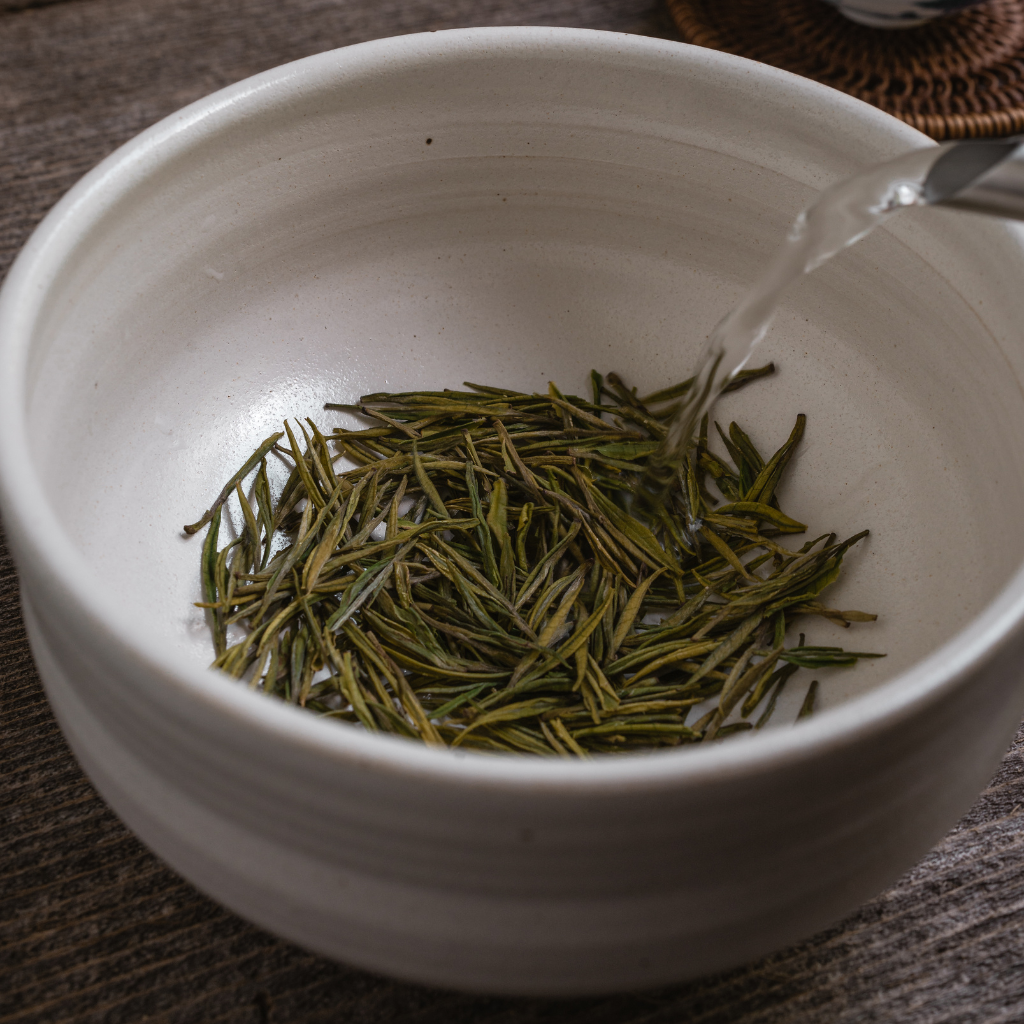
Some teas turn bitter faster because their chemistry, processing, and structure allow certain compounds to extract quickly. Brewing conditions influence this process, but they are only part of the picture.
Understanding how extraction works helps explain why one tea remains balanced while another becomes harsh under the same conditions. Once those variables are visible, bitterness stops being a mystery and becomes something that can be managed with small adjustments.
Tea does not need to be brewed perfectly. It simply helps to recognize what the leaf is doing in the cup and respond accordingly.
Previous Article
Learn about how heat fixing preserves green tea’s vibrant color and fresh flavor, making it one of the world’s most historic and widely enjoyed tea types.
Next Article
Preserving the flavor and aroma of matcha with the right packaging.
